
Listen up! We have a heck of a problem with Syphilis in our unsheltered community. We have condoms! Please use them!
What is syphilis?
Syphilis is a sexually transmitted infection (STI) that spreads when you have vaginal, anal or oral sex with someone who has the infection. A bacteria causes it. Antibiotic medication treats syphilis. Untreated syphilis can lead to serious health problems, including blindness and damage to your brain, heart, eyes and nervous system.
What are the stages of syphilis?
Syphilis can progress through four different stages. The infection causes different symptoms in each stage. People are very contagious in the first and second stages and can easily pass the infection to their sex partners. The stages of syphilis are: primary, secondary, latent and late (tertiary) syphilis.
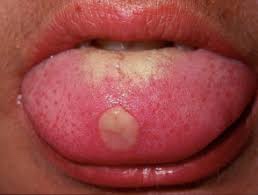
Primary syphilis: The first stage happens two to 12 weeks after exposure to someone with syphilis. During this stage, a smooth, hard sore called a chancre develops on your genitals or mouth. A chancre is small and usually painless, so you may not even know it’s there.
The sore goes away on its own in a few weeks or months. However, this doesn’t mean you don’t have syphilis anymore. If you don’t receive treatment with medication, the infection moves to the second stage. You can pass syphilis through vaginal, anal or oral sex during this stage.
Secondary syphilis: About one to six months after the syphilis sore goes away, a rough, bumpy syphilis rash appears. The rash can cover your entire body, including your palms and soles (bottoms) of your feet. The rash doesn’t usually itch. You may also have symptoms such as:
Fever.
Fatigue.
Wart-like sores.
Muscle aches.
Weight loss
Headaches.
Hair loss.
Swollen lymph nodes.
You can pass syphilis infection during this stage during vaginal, anal or oral sex. These symptoms can come and go for months or years. Just because the syphilis rash is gone or you aren’t having any of the above symptoms doesn’t mean you no longer have the infection. You still need treatment with medication. Without treatment, the infection will move to the latent stage.
Latent syphilis: If you don’t receive treatment during the first two stages, the infection moves into the latent stage. In this stage, there are no outward signs or symptoms of syphilis. Some people experience mild flare-ups from time to time. At this stage, the infection can damage your heart, bones, nerves and organs. This stage can last up to 20 years. It’s rare to pass syphilis to your sex partners during the latent stage. Without treatment, the infection progresses to the late stage.
Late (tertiary) syphilis: For many people, symptoms don’t progress past the latent phase, either because the infection cures itself or because symptoms are too mild to notice. About 20% of people progress to the late syphilis phase, which causes a range of serious health problems. These problems occur slowly and include:
Brain damage, dementia and cognitive health problems.
Heart disease.
Movement disorders and muscle problems. problems.
Nerve damage.
Seizures.
Vision problems, including blindness.
If you think you may have syphilis, please go to PC Health Dept. for testing, shots, meds, follow up.



 MOMMA J. CPS, HRS, MARS. BOLIVAR MO
Leave a comment