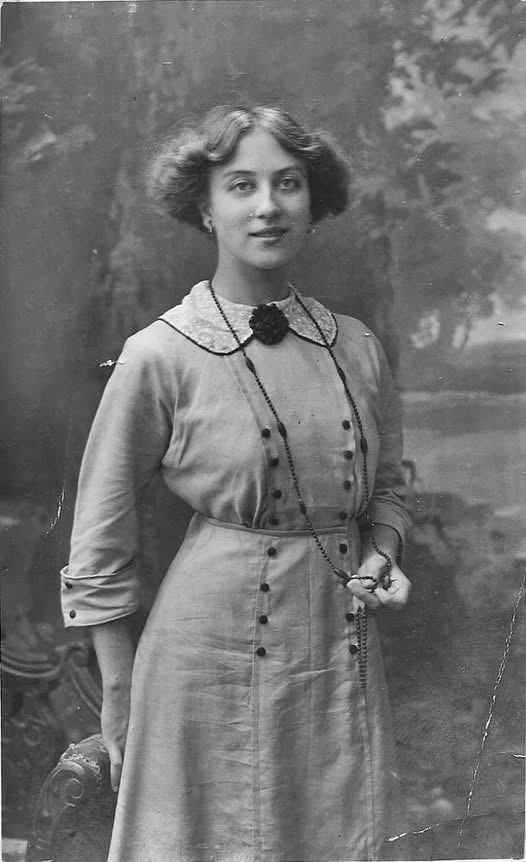
She was sold in a card game on a rain-soaked night in Deadwood, 1876. Lucy Caldwell, born in Missouri in 1851, had married Charles “Silk Jack” Caldwell — a gambler smooth with words and quicker with lies. He’d promised her a mansion and fine dresses, but what she got was a whiskey tent, a deck of marked cards, and a life spent waiting on luck that never came. Silk Jack played for everything — money, pride, even his name — until the night he bet the one thing that wasn’t his to lose: his wife.
When the cards hit the table, Lucy stood silent, heart pounding like a drum before a firing squad. The men laughed, but she didn’t. She reached for Silk Jack’s revolver, still warm from his hip, and ended the hand with a single shot. The room froze. Smoke hung in the lamplight. Lucy holstered the gun, took the deck, and played out the hand herself — winning back her freedom and every dollar left in the pot. By dawn, she rode east with the winnings tied to her saddle and her wedding ring buried in the mud behind her.
Years later, gamblers whispered of a woman in Kansas City who dealt cards under the name “Black Lace Lucy.” No one knew where she came from, but every man who sat at her table swore she never lost a hand. Some said she still carried that same revolver beneath her dress — not for luck, but for memory. And when they spoke her name, they did it quiet, as if afraid she might walk in. Because Lucy Caldwell had learned the oldest lesson of the West — sometimes, freedom ain’t given. It’s won.
 MOMMA J. CPS, HRS, MARS. BOLIVAR MO
Leave a comment